Showing posts with label social media. Show all posts

Monday, 12 May 2014

A few photographs

One of my favourite photography writers (and photographer) Blake Andrews recently published a post philosophising on popularity of content online - why some (most!) content sinks but some swims...and swims and swims and swims. You know, the big spike in page visits due to a particularly popular post. The spike some bloggers and Tumblrers crave:
Popularity! I've joined the cool kids temporarily. Now if only I could figure out what I've done. I've mixed the formula but with no recipe, and I can't repeat it. In a few days the buzz will die and the hump will pass left, leaving a curve something like this. (read the rest of his post)
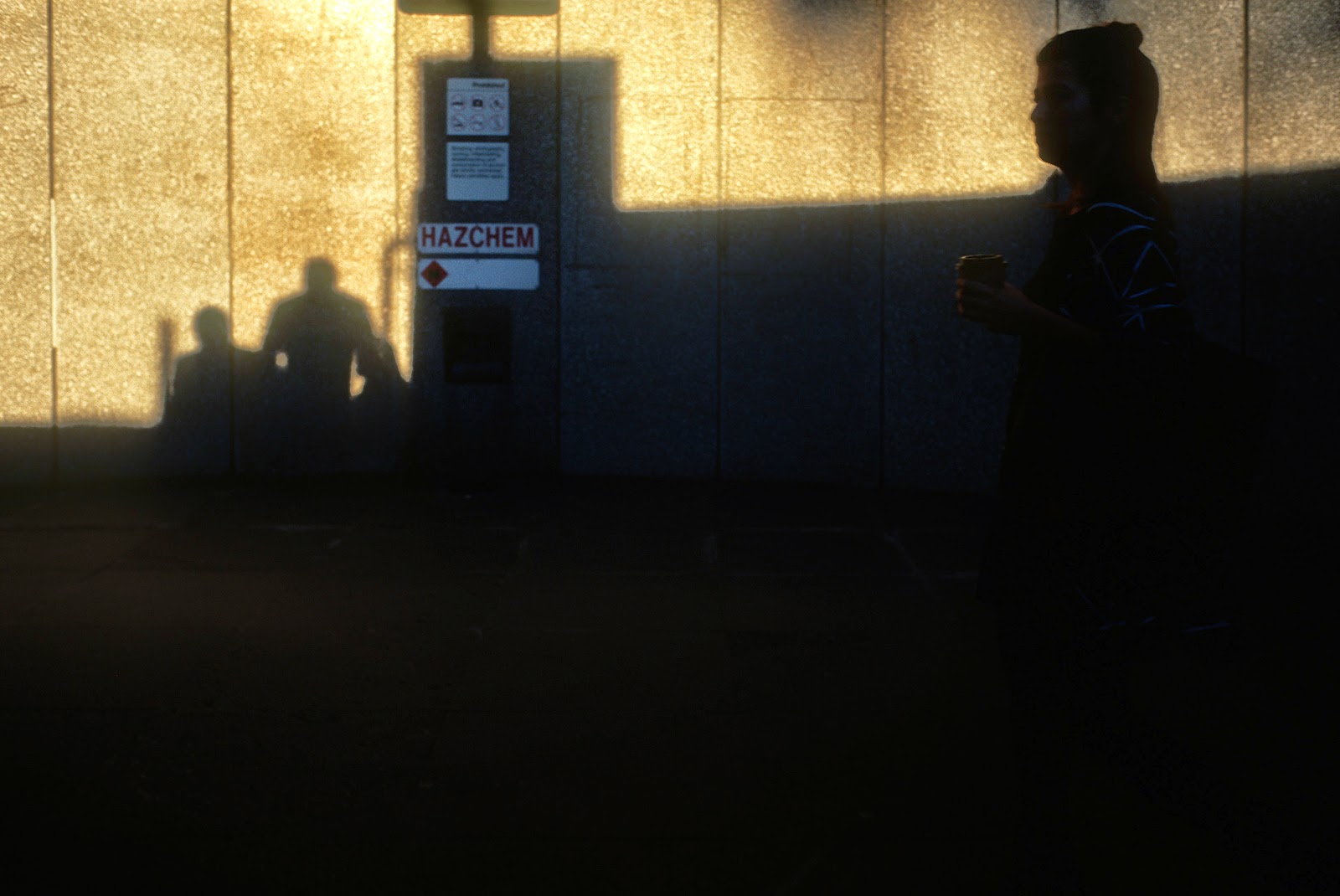
The humble images below are an example of that effect - the top one keeps on getting "liked" and "reposted". Is it any marker or quality? Nope. The other two I also like, but they have not reached the same number of  "likes" or "reposts". Why? Meh. Who cares.

I realise I'm not exactly in the stratospheric of interweb popularity (and I write this blog mainly for the gratification of hearing my mechanical keyboard clatter), but it does raise an interesting point. Is popularity a decent measure of anything? Why is it that so many artists, musicians, writers etc complain their most popular or well known work is far from their best? 

Would (insert famous pre-internet artist/celebrity here) have been a success today? What happens if the next Beatles were out there right now but decided against using YouTube? Does that mean Justin Bieber has subsumed the next Beatles? Or is this sophomoric and ultimately unknowable line of questioning like a 1960s op-ed writer asking "would the Beatles have been a success if they had decided against using electricity?". Perhaps. Maybe.
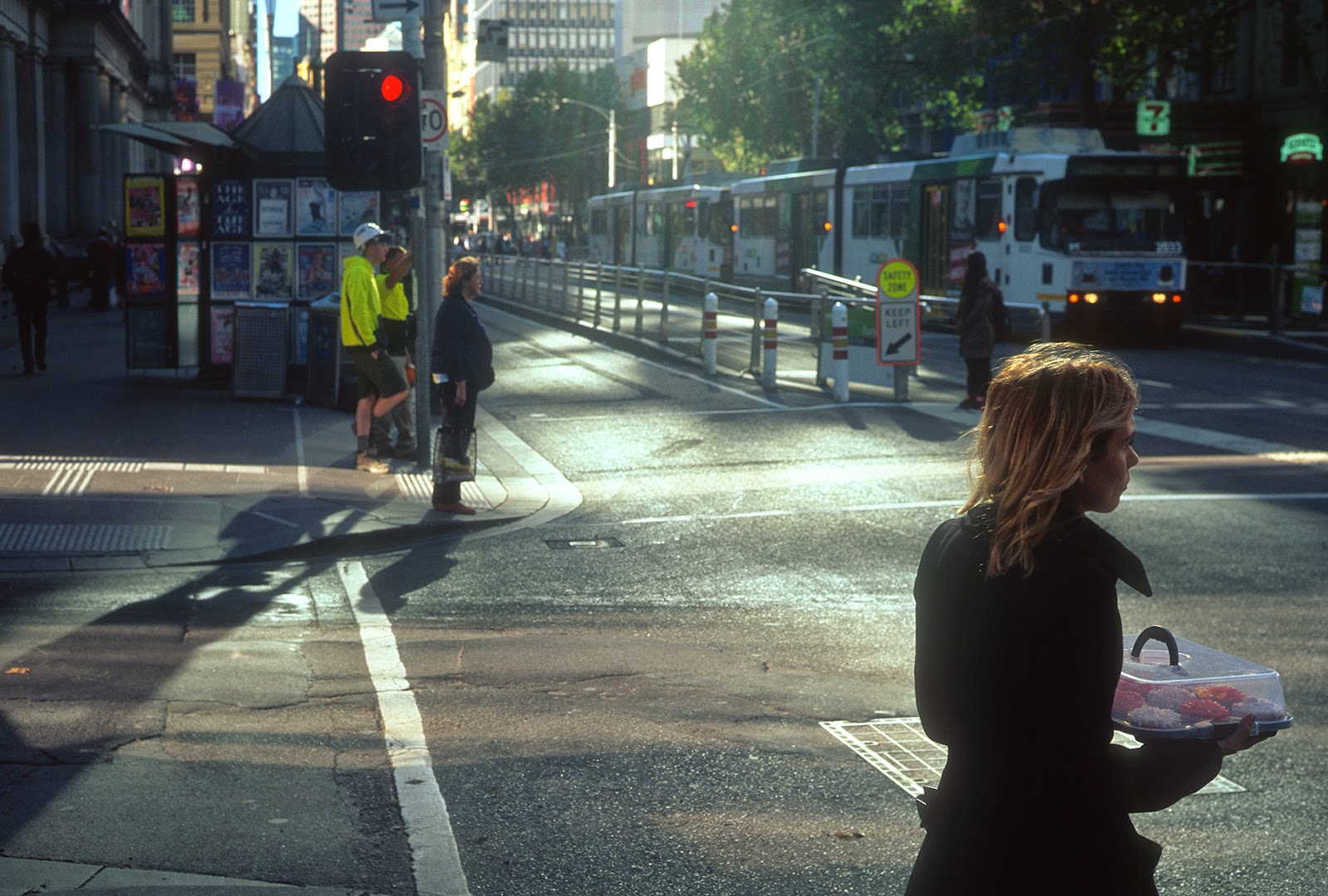
Melbourne Street by Richard McKenzie, Leica M4 Summicron-M 50mm Dual Range Fujifilm Velvia 50


Parliament Station by Richard McKenzie, Leica M4 Summicron-M 50mm Dual Range Fujifilm Velvia 50


Erstwhile Camera House by Richard McKenzie, Leica M4 Summicron-M 35mm Agfa Vista 400

Wednesday, 5 March 2014

Discovering Photography on Instagram

Hipstamatic

Instagram is one of the many social platforms available for sharing photography with your friends and around the world. While some claim the sheer volume of Instagram-style filterised photography is debasing "real" photography, there exists a pool of extremely talented photographers who showcase their work to a world-wide audience via this simple app.

The claim that Instagram is somehow degrading photography is a nonsense. It's the same sort of technologically deterministic argument that has been running alongside photography since its inception: like when photo sensitive metal plates gave way to glass; glass to celluloid; view cameras to box brownies; large format to roll film; esoteric to mass market; professional to amateur; 120 to 35mm; expensive to cheap; black and white to colour; film to digital.

The problem Instagram faces is not the quality as such, but trying to find quality images amongst the everyday mass of selflies and bathed cats. This problem is not unique to Instagram, the same issue has plagued the granddaddy of photo sharing, Flickr, since day dot.

Thankfully, Flickr's API allows sites like ffffl*ckr to exist. This site assumes that the people who like the images you like probably like much the same thing as you and so it goes, producing a constant stream of usually pretty good images.

Unfortunately, Instagram as an app is difficult to navigate in the same way. It does, however, have a few handy ways of finding imagery you might like:

  1. Followers of those you follow - this might seem obvious, but the people who follow the people you follow probably produce similar imagery. In this bot-driven world, this isn't always the case but it's a good place to start. Look at the followers of the people you follow and the people they follow and so on.

  2. "Following" - yes there's a thing called "following" that isn't entirely about the people you follow. It's located in the heart/comment bubble section. Where "News" is usually selected and shows the number of likes on your images, press "Following" and it will show other images those you follow have liked.
  3. Tags - those ubiquitous # that appear everywhere from Microsoft Windows 3.1 for Workgroups to today's trending conversational vernacular "hashtag LOL!". I'm up with the Web 2.1 (service pack 3). Again, this may seem obvious, but a well tagged image is easier to find. If you like images of WD-40, then search for #wd40.

    And I'm so glad I did, otherwise I wouldn't have found this little number. How droll! 


#summary
Whether one likes it or not, mobile photography is a thing. A real thing. In a decade's time, we will be wondering why the hell anyone bothered making the arbitrary and patronising distinction between "mobile" photography and "everything else" photography. So, Guardian culture writer, get on board or go back to your wet plate tin-type daguerrotype collodion Bitumen of Juedea-driven snoozefest of conceited elitism.

Wednesday, 26 February 2014

Found Discourse on Lost Melbourne

Comment script for Lost Melbourne 
<image of old building/infrastructure, now demolished> 
Commentor 1: i remember this. i used to work a few doors up and walk past it every day. it was so nice. now it's been replaced by that new monstrosity [apartments/office building/some sign of modernity]
Commentor 2: why did we demolish this? were the only city in the world that takes a step backwards by demolishing important infrastructure.
Commentor 3: it was rubbish. It should have been demolished years ago. nobody actually used it and when they did it was smelly and uncomfortable.
Commentor 1: this is called the lost melbourne group for a reason. if you don't like it go elsewhere.
Lost Melbourne is one of those social media success stories. The page's administrators, doing little more than posting up old images of Melbourne have garnered over 40,000 likes and an active community of fans and contributors. It's even been featured in mainstream media.

It is a nostalgia trip for many and an interesting reminder of what was. But this is also its limitation. The basic extent of most comments on photographs is "This Melbourne is much better than today's Melbourne" or, "How could they tear down X and replace it with this monstrosity?". 

Contrary opinions are given short shrift by the prevailing nostalgites.

In the aforementioned mainstream media article, a logical but non-sympathetic view of the Southern Cross Hotel was regarded as "not...positive": 
All these people crying in their beers because old buildings got torn down. Yes, you are all right, they are part of our history and it's a shame to see them go. But how can we move forward if we don't make room by getting rid of some our past?
 A valid point is then railroaded by other fans claiming Lost Melbourne is just for old pictures and if "you" don't like it, go elsewhere.

There's a lot to like about Lost Melbourne, but the unbridled nostalgia of its commentors is not one of them. Proper heritage requires balancing the needs for a future Melbourne against that which may be "lost", not uncritical "things were better in the old days" patter.

Proper historical appraisal requires context and research, much more than a "Photo credit: State Library of Victoria" could ever provide.

Still, the page admins should be pleased that they are shining a bit of light into our own history. But a little nostalgia can be a dangerous thing...